

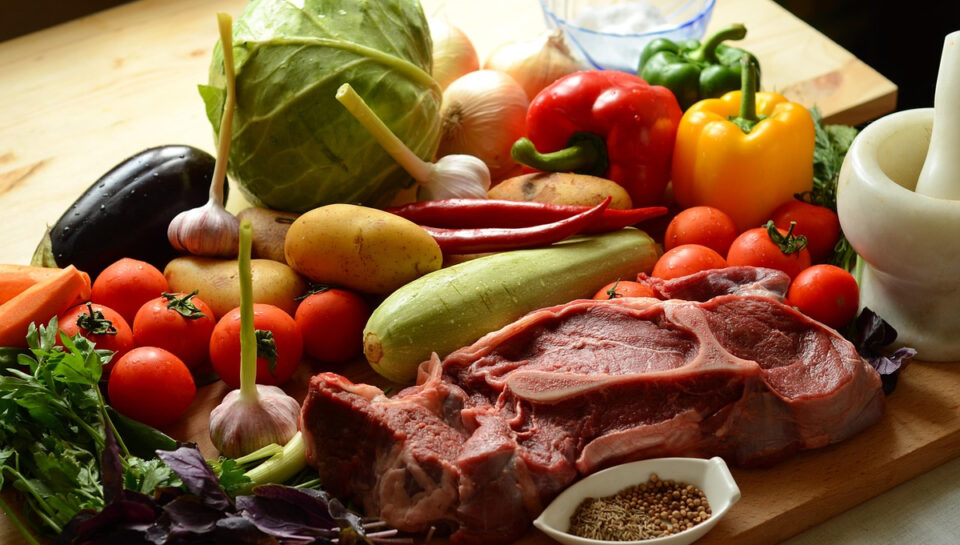
Cross-contamination happens when harmful bacteria or allergens are transferred from one food or surface to another. This can lead to serious health risks like food poisoning or allergic reactions. By training your kitchen staff to properly store and prepare food, you can avoid these risks and prevent the loss of time and money due to unsafe food handling.
Following food safety protocols—such as separating foods, cleaning and sanitizing surfaces and tools, and maintaining personal hygiene—helps create a kitchen environment that minimizes contamination risks.
What is Cross-Contamination?
Cross-contamination occurs when bacteria, viruses, or allergens move from one food item or surface to another. It’s a major cause of foodborne illness and often results from using unwashed cutting boards, utensils, or hands. While proper cooking can kill bacteria, contamination usually happens before cooking—especially when raw foods come into contact with ready-to-eat items.
How to Prevent Foodborne Illness
Preventing foodborne illness starts with understanding where contamination can occur—before, during, and after food preparation. A food safety management system like HACCP (Hazard Analysis and Critical Control Points) helps identify and manage these risks.
Training your staff in food safety, including requiring food handler certifications, ensures everyone understands how to keep food safe from delivery to service.
Safe Food Storage Tips
Prevent cross-contamination before prep even begins with proper food storage techniques. Since refrigerators often house a variety of food types, it’s essential to store them correctly to prevent harmful contact. Follow these tips:
- Use sealed containers for raw meat and dairy to prevent leaks or drips.
- Store foods in this order (top to bottom) based on minimum internal cooking temperatures:
- Ready-to-eat foods
- Seafood
- Whole cuts of beef and pork
- Ground meat and fish
- Poultry (whole and ground)
- If possible, use separate refrigerators for raw meats and ready-to-eat items like fruits and vegetables.
Preventing Cross-Contamination During Prep
Even with proper storage, food can still be contaminated during preparation. Follow these best practices:
- Clean and sanitize all surfaces before and after use.
- Use color-coded cutting boards to separate raw meat, poultry, fish, produce, and cooked foods.
- Color-code knives as well:
- Green: produce
- White: dairy
- Yellow: raw poultry
- Red: raw meat
- Blue: raw fish
- Brown: cooked meat
- Store cleaned tools separately to prevent recontamination.
Promoting Good Personal Hygiene
Contamination doesn’t just come from food—it can come from your staff. Proper hygiene is a must:
- Wear aprons and hair restraints to reduce contamination from clothing or hair.
- Use disposable gloves and change them between tasks.
- Wash hands thoroughly and frequently, especially after handling raw meat, fish, or poultry.
Safe Food Handling at Service
Food safety continues through plating and service. Cross-contamination can still occur if clean food touches dirty utensils or surfaces. Avoid this with the following tips:
- Use separate utensils for different types of food (e.g., meat, vegetables).
- Handle utensils by the handles, not the parts that touch food.
- Use scoops or tongs—never bare hands—for ice or garnishes.
- Hold plates and glasses by the base or stem, not by areas that come in contact with food or drink.
Tools to Help Prevent Cross-Contamination
Stocking your kitchen with the right tools can make food safety easier:
- Probe wipes for cleaning thermometer probes between uses.
- Single-use thermometers to reduce cross-use contamination.
- Day-of-the-week and product labels for clear food tracking in storage.
- Color-coded probe thermometers to help ensure safe cooking temps without cross-use errors.
Final Thoughts
Cross-contamination can happen at any stage—from storage to service. By creating a culture of cleanliness, using the right tools, and educating your team on food safety practices, you’ll significantly reduce the risk of foodborne illness. Use this guide as a foundation to build a safer, more sanitary kitchen environment.